
The psychology behind why we gamble Exploring the human mind
The allure of risk and reward
The psychology behind gambling is deeply rooted in our inherent desire for risk and reward. Humans have evolved to take calculated risks, which historically were crucial for survival. The thrill of gambling taps into this instinct, creating an adrenaline rush that is hard to resist. When players place a bet, they experience a flood of dopamine, the brain’s pleasure chemical, which reinforces the behavior. This cycle of risk and reward can lead to compulsive gambling as individuals chase that euphoric high, often overlooking the potential for loss. Those seeking an exciting experience can explore online options, such as lizarocasino-uk.org, where many games amplify this thrill.

This rush is particularly appealing in games of chance, such as slot machines and roulette. The unexpected nature of these games activates the brain’s reward system, making each spin or roll feel like a new opportunity for success. This unpredictability captivates players, often causing them to lose track of time and money as they become absorbed in the experience. The psychological phenomenon known as the “near-miss effect” also plays a role; when players come close to winning, their brains perceive it as a success, prompting them to gamble more in hopes of achieving that elusive win.
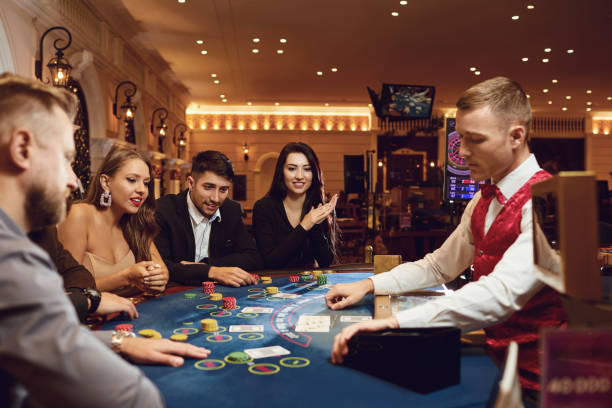
Moreover, social factors significantly contribute to the allure of gambling. Casino environments are designed to foster a sense of excitement, often with bright lights and engaging sounds that stimulate players’ senses. This atmosphere creates a communal experience where individuals feed off each other’s energy, increasing the likelihood of continued play. The combination of individual psychological factors and the social environment creates a potent mix that encourages gambling, making it a compelling activity for many.
The role of emotions in gambling behavior
Emotions significantly influence gambling behavior, leading individuals to gamble for various reasons beyond mere monetary gain. Many gamblers turn to betting as a form of escape, using it to cope with stress, anxiety, or depression. This emotional attachment can transform gambling into a maladaptive coping strategy, where the individual seeks solace in the chance of winning. Unfortunately, this often exacerbates underlying mental health issues rather than providing a genuine solution.
Additionally, the excitement and anticipation that come with gambling can serve as a temporary distraction from life’s challenges. The hope of winning can boost mood, providing a fleeting sense of happiness that players may seek repeatedly. This emotional rollercoaster keeps gamblers engaged, even when they face financial losses. The mix of highs and lows can create a paradoxical situation where players feel both empowered and defeated, further complicating their relationship with gambling.
Understanding the emotional motivations behind gambling is essential for addressing potential problem gambling behaviors. Mental health professionals often emphasize the importance of recognizing these emotional triggers, encouraging healthier coping mechanisms that do not involve risk. By acknowledging how emotions drive gambling behavior, individuals can start to break the cycle and seek more sustainable paths to emotional well-being.
The influence of cognitive biases
Cognitive biases play a pivotal role in gambling behavior, leading individuals to misinterpret probabilities and outcomes. One prevalent bias is the “gambler’s fallacy,” where players believe that past events influence future outcomes in games of chance. For instance, if a roulette wheel lands on red several times in a row, some players may wrongly assume that black is “due” for a win, leading them to place bets based on flawed reasoning. This misconception can fuel continued gambling, as individuals feel justified in their decisions, even in the face of statistical reality.
Another common cognitive bias is “illusion of control,” which gives gamblers a false sense of power over random events. Players may believe they can influence outcomes through specific strategies or behaviors, such as choosing particular slot machines or using lucky charms. This perception can create a false narrative of skill in games that are inherently based on chance, reinforcing the desire to gamble despite the risks involved.
Moreover, the selective memory bias also affects gamblers, leading them to remember wins more vividly than losses. This skewed perception reinforces their belief that they can win consistently, despite statistical evidence to the contrary. Understanding these cognitive biases can help individuals recognize their flawed thinking patterns, ultimately guiding them towards healthier decision-making processes in gambling scenarios.
The social aspect of gambling
The social aspect of gambling is a powerful motivator for many players. Engaging with friends or family during a casino night or participating in online poker rooms can create a sense of belonging and community. Social interactions in these contexts provide a layer of enjoyment that transcends the mere act of betting, making the experience more fulfilling. The camaraderie that develops among players can enhance the thrill of gambling, making it a shared experience that many seek out.
Furthermore, the role of celebrity gamblers in popular culture has contributed to the glamorization of gambling. High-profile figures often portray gambling as an exciting and rewarding pastime, influencing public perception. Documentaries and shows featuring celebrity gamblers can entice individuals to participate in similar activities, as they aspire to emulate their favorite stars. This social influence can encourage new players to gamble without fully understanding the psychological and financial implications involved.
Additionally, online gambling platforms have created virtual communities where players can connect regardless of geographical boundaries. Live dealer games and interactive features facilitate real-time social interactions, further enhancing the gaming experience. The social dynamics in online gambling environments foster a sense of engagement and excitement, contributing to the allure of betting in a digital age.
Discovering responsible gaming at Lizaro Casino
Understanding the psychology behind gambling behavior is crucial in promoting responsible gaming practices. Lizaro Casino aims to create a safe and enjoyable gaming environment for its players by emphasizing responsible gaming measures. With a wide variety of games and enticing bonuses, including generous welcome offers, Lizaro Casino encourages players to gamble responsibly while enjoying their favorite pastimes. The casino provides resources for setting limits, ensuring that players can engage with games in a controlled manner.
The casino also focuses on creating an inclusive community where players can share their experiences and support one another in maintaining healthy gaming habits. Regular updates and educational resources on responsible gaming empower players to make informed decisions. Lizaro Casino aims to foster a culture of awareness and mindfulness, encouraging players to recognize the importance of balancing enjoyment with responsibility.
By providing a non-GamStop platform, Lizaro Casino caters to players looking for freedom and flexibility while still promoting responsible gaming practices. Their commitment to player safety and awareness highlights the importance of understanding the psychological factors that drive gambling behavior, allowing individuals to enjoy gaming as a form of entertainment rather than a source of stress or addiction.