
Understanding the psychological triggers that influence gambling behavior
The Nature of Gambling Addiction
Gambling addiction is a complex phenomenon that intertwines psychological, social, and environmental factors. One of the primary triggers for gambling behavior is the thrill of winning. This excitement can create a powerful feedback loop, where the brain releases dopamine, a neurotransmitter associated with pleasure and reward. Over time, individuals may begin to chase that initial high, which can lead to compulsive gambling. For a secure online experience, visit https://mrwildz-casino.com/ to understand more about responsible gaming practices. Understanding this cycle is crucial in addressing and preventing gambling addiction.
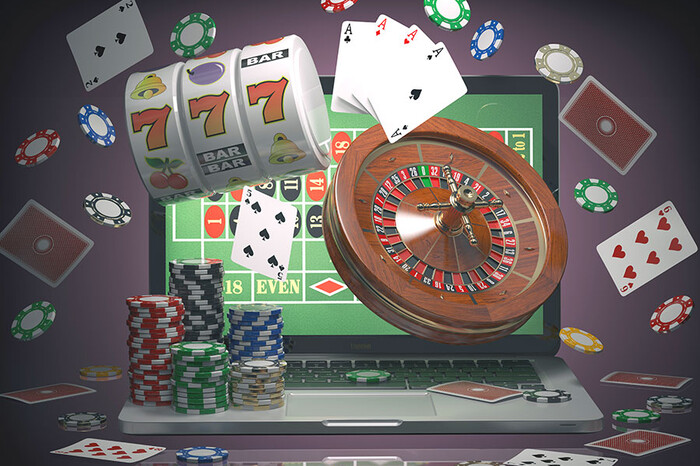
Additionally, the environment in which gambling occurs plays a significant role in shaping behavior. Casinos and online gaming platforms are designed to stimulate the senses, often incorporating bright lights, engaging sounds, and enticing visuals to keep players engaged. These elements can heighten emotional responses and contribute to impulsive decision-making. For many, the immersive experience can overshadow rational thought, making it easier to lose track of time and money.
Another factor influencing gambling behavior is the concept of loss aversion. Research indicates that people are more motivated to avoid losses than to achieve gains. This psychological bias can lead gamblers to continue playing in an attempt to recover their losses, resulting in a spiral of increasing bets and financial strain. Recognizing these emotional triggers is vital for developing effective strategies for responsible gambling and potential interventions.
Cognitive biases significantly influence decision-making in gambling. One prevalent bias is the illusion of control, where individuals believe they can influence the outcome of games based on their skill or choices. This mindset can encourage persistent gambling, as players might convince themselves that they can turn their luck around. Such beliefs are often unfounded, especially in games of chance, leading to misguided confidence and further financial commitment.
The gambler’s fallacy is another cognitive distortion that can affect betting behavior. This phenomenon occurs when individuals mistakenly believe that past events influence future outcomes, such as thinking that a losing streak will inevitably be followed by a win. This incorrect reasoning can perpetuate gambling activity, as players feel compelled to continue betting despite overwhelming odds against them. Awareness of these cognitive biases is essential in developing better decision-making frameworks in gambling scenarios.
Emotional triggers also play a critical role in gambling choices. Stress, anxiety, and depression can lead individuals to seek escapism through gambling. In these instances, gambling may serve as a temporary distraction from emotional pain. Unfortunately, this approach often backfires, as the associated financial losses can exacerbate existing psychological issues. Understanding how emotions influence gambling behavior can aid in crafting therapeutic interventions aimed at promoting healthier coping mechanisms.
Social and Cultural Influences on Gambling Behavior
The social environment can significantly impact an individual’s gambling habits. Peer pressure and social acceptance often push individuals to engage in gambling, sometimes even when they may not have an intrinsic desire to do so. For example, young adults may be more likely to gamble if their friends do, creating a social norm around this behavior. The desire to fit in can cloud judgment, leading to irresponsible gambling and potential addiction.
Cultural attitudes toward gambling further shape perceptions and behaviors. In some cultures, gambling is seen as a recreational activity and is widely accepted, while in others, it may be viewed negatively. This dichotomy can influence how individuals approach gambling, with varying levels of risk tolerance and acceptance of potential consequences. Recognizing these cultural contexts is crucial for understanding the broader implications of gambling behaviors and societal attitudes.
Moreover, the media’s portrayal of gambling can also serve as a catalyst for increased participation. Advertisements that glamorize gambling or depict it as a means to achieve wealth and happiness can create misleading perceptions. This portrayal can entice vulnerable populations, particularly youth, leading to an increase in gambling behaviors among those who are impressionable. Addressing these media influences is vital for fostering responsible gambling practices within communities.
The Impact of Technology on Gambling Behavior
The rise of technology has revolutionized the gambling landscape, making it more accessible than ever. Online casinos and mobile applications provide players with the convenience of gambling from the comfort of their homes. While this accessibility can enhance the user experience, it also raises concerns about impulsive gambling behavior. The ease of placing bets and the instant gratification of outcomes can lead to excessive gambling, often without the natural limits that traditional gambling settings might impose.
Moreover, technology can exacerbate psychological triggers through personalized marketing strategies. Online platforms often use algorithms to tailor promotions based on user behavior, which can entice players to gamble more frequently. This targeting can create a sense of urgency, prompting users to act impulsively rather than making calculated decisions. Understanding how technology influences behavior is essential for developing regulations that protect vulnerable populations from overexposure.
Additionally, the integration of social features in online gambling platforms can create competitive dynamics among users. Gamification elements, such as leaderboards and rewards systems, can enhance engagement but also promote addictive behaviors. Players may feel pressured to keep up with peers, leading to increased gambling activity. Recognizing these technological influences can guide the development of healthier online gambling environments that prioritize player well-being.

MrWildz Casino: A Responsible Gaming Environment
At MrWildz Casino, we understand the complexities of gambling behavior and the psychological triggers that influence it. Our platform is committed to providing a responsible gaming environment where players can enjoy their experience while prioritizing their well-being. We emphasize transparency and adhere to strict security protocols, ensuring that players feel safe and supported as they engage in gaming activities.
We also believe in promoting responsible gambling practices by offering resources and support for those who may struggle with gambling-related issues. Our platform provides tools that enable players to set limits on their spending and time, fostering a healthier approach to gaming. By creating a balanced and enjoyable experience, we aim to mitigate the risks associated with gambling and promote long-term engagement in a positive manner.
Join us at MrWildz Casino, where you can explore a wide range of games while benefiting from our commitment to responsible gaming. We strive to create a space that not only entertains but also encourages players to engage thoughtfully with their gambling habits. Experience a gaming environment that prioritizes your safety and enjoyment today.
“`